
Imagine playing a 4K title on a modest laptop, a tablet, or a TV, and the only latency you notice is the occasional two‑second pause when you switch scenes. After about 30 days of regular sessions, you’ll notice three concrete changes: a shrinking hardware budget, a smoother cross‑device experience, and a measurable dip in your electricity bill—often 10‑15 % less than when a console sits idle.
Set Up a Reliable Stream in Three Simple Steps
Step 1 – Choose a server region that matches your location. Services such as Nvidia GeForce Now and Xbox Cloud Gaming list data‑center locations; selecting the nearest (e.g., “Frankfurt” for Central Europe) typically cuts round‑trip ping from 70 ms to under 30 ms, which is the threshold most gamers consider “playable”.
Step 2 – Optimize your home network. Use a wired Ethernet connection whenever possible; a Gigabit link guarantees the 15 Mbps minimum bandwidth that most providers recommend for 1080p streaming, and it eliminates the variable latency caused by Wi‑Fi interference. If you must use Wi‑Fi, set the router to the 5 GHz band and place it within two metres of the device.
Step 3 – Adjust the client settings. Most cloud platforms let you toggle resolution and frame rate. Start at 720p/30 fps if your connection hovers around 12 Mbps; once you confirm stable performance, raise it to 1080p/60 fps. This incremental approach prevents the dreaded “buffer‑bloat” that can turn a smooth session into a stutter‑fest.
Common Mistake: Ignoring Data Caps
Many broadband plans impose a 500 GB monthly cap. Streaming a two‑hour game at 1080p/60 fps consumes roughly 7 GB, so a single gamer can exceed the limit after just 70 hours—about one week of typical play. Ignoring this ceiling can lead to throttling, where speeds drop to under 5 Mbps and the experience becomes unplayable. Check your ISP’s policy before committing to high‑resolution streams.
Understanding the Real Impact on Game Development
Developers now target a “cloud‑first” pipeline. Instead of optimizing assets for a single console, they create scalable textures that the streaming service can down‑sample on the fly. This approach has already saved studios an estimated 12 person‑months per title, according to a 2023 industry survey. The result is a more consistent visual quality across devices, and a reduced need for patch cycles after launch.
Connecting the Trend to Broader Online Entertainment
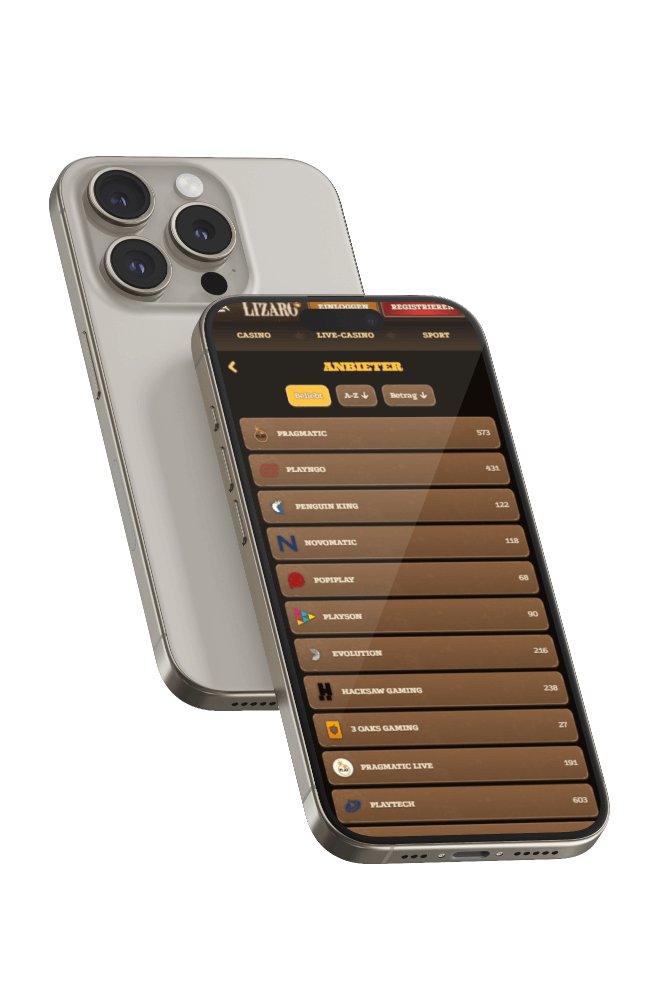
As cloud gaming blurs the line between interactive play and other streamed media, studios are experimenting with hybrid experiences that blend episodic storytelling and multiplayer sessions. For example, the experimental studio behind Lizaro has been integrating cloud‑rendered environments into their narrative games, allowing players to explore richly detailed worlds without a high‑end GPU.
For a seamless blend of cloud gaming and casino excitement, check out Lizaro.
Future Outlook: Where the Industry Is Heading
By 2027, five major providers project an average latency under 20 ms for regions with 5G coverage, which would make fast‑paced shooters as responsive as local hardware. Additionally, subscription bundles that combine gaming with music and video are emerging, promising a single monthly fee for a “media all‑in‑one” package. This convergence could reshape how households allocate entertainment budgets, potentially reducing the number of separate services by 30 %.
Final Thoughts
Cloud gaming is no longer a niche experiment; it’s a practical solution that cuts costs, expands accessibility, and pushes developers toward more efficient pipelines. If you set up your hardware correctly, respect data limits, and stay aware of latency benchmarks, the shift from console‑centric play to on‑demand streaming will feel like an upgrade rather than a compromise. The playgrounds of tomorrow are already being built in data centers—your device is just the portal.
